<< Back
Why Your Hips Hurt as You Age
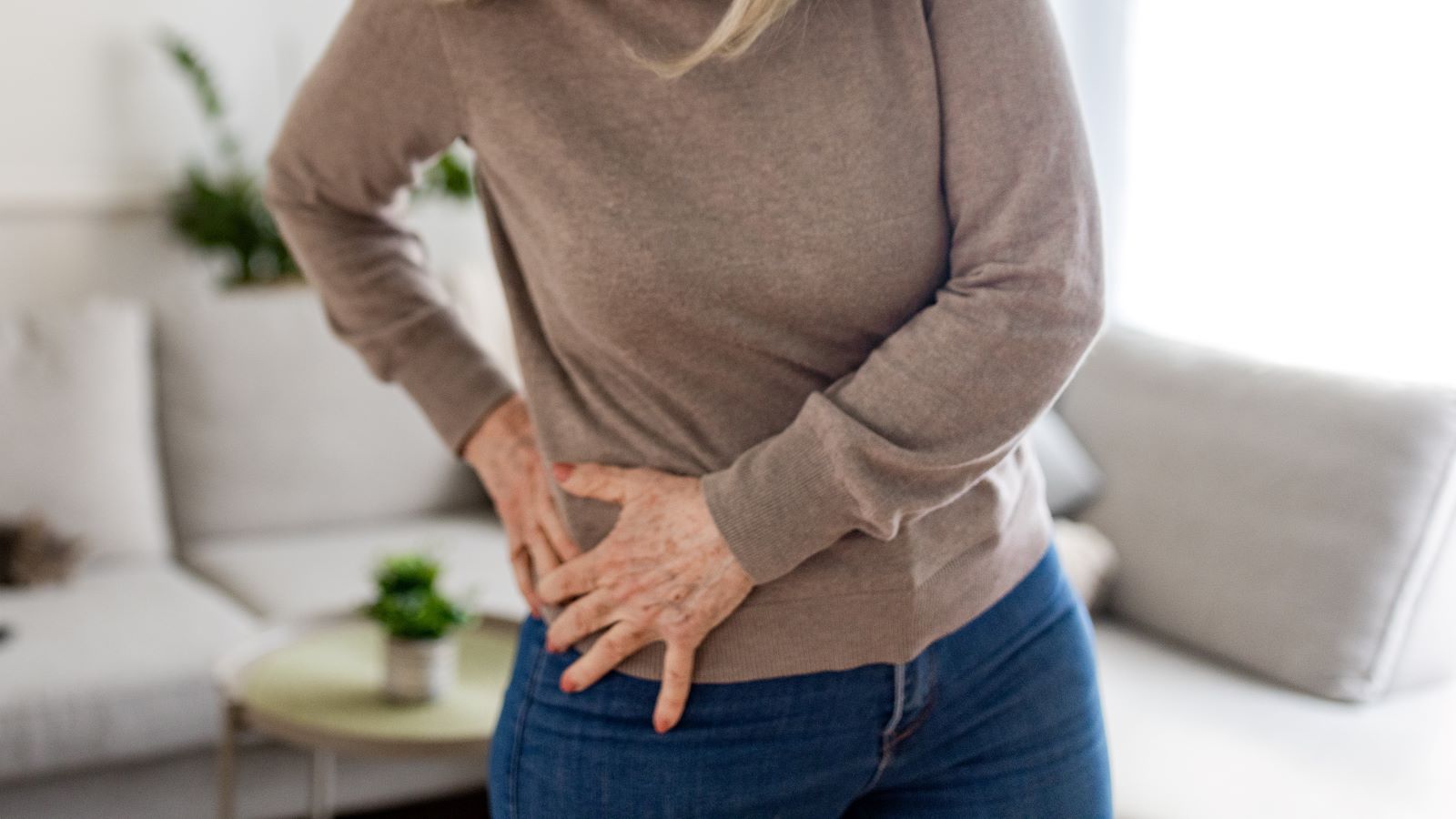
January 07, 2026
If standing up takes a little longer than it used to, your hips might be part of the reason.
“The hip joint takes on a lot of stress throughout your life,” says Chris Lynch, MD, an orthopedic surgeon with Connecticut Orthopaedic Institute. “It’s one of the most common areas we see age-related pain, but there are ways to manage it.”
Here’s what might be behind your hip pain – and how to stay active through it.
1. Osteoarthritis is the biggest culprit.
As you age, the cartilage in your hip joint gradually wears down. That’s when arthritis pain kicks in.
“Osteoarthritis is essentially the result of wear and tear,” says Dr. Lynch. “As the cartilage wears away, the bones begin to rub against each other – causing pain, swelling and reduced movement.”
You might notice stiffness first thing in the morning, discomfort after sitting too long or a deep ache that worsens with activity. Over time, range of motion can shrink, making everyday movements like tying your shoes or getting in and out of the car harder.
> Related: The 5 Most Common Hip Injuries – And How to Spot Them Early
2. Bursitis causes sharp, outer-hip pain.
Bursae are tiny fluid-filled sacs that act like shock absorbers between bones, tendons and muscles. When one of these sacs becomes inflamed, pain can come on quickly.
“Bursitis often causes sharp pain on the outside of the hip,” says Dr. Lynch. “You may notice it more when lying on that side or getting up from a chair.”
This type of pain is often very specific and tender to the touch. It can flare with repeated movements like climbing stairs, walking uphill or standing for long periods.
> Related: 5 Ways to Sleep With Hip Pain
3. Tendonitis flares up with activity.
Tendonitis happens when the tendons connecting your muscles to the bone become irritated – often from overuse.
“It’s common in active people or those who’ve recently changed their activity level,” says Dr. Lynch. “It typically hurts during movement or after exercise.”
Unlike arthritis, tendonitis pain usually improves with rest. But if you keep pushing through it, the irritation can linger or worsen.
> Related: Why Do My Hips Hurt When I Run?
4. Muscle weakness throws things out of balance.
Your hips rely on surrounding muscles for stability. When those muscles are weak, tight or uneven, the joint has to absorb more stress.
“Weak hip or core muscles can lead to pain with daily activities like walking or climbing stairs,” says Dr. Lynch.
This can happen gradually, especially if you sit a lot or avoid certain movements because of discomfort. Over time, poor support changes how the joint moves, which can trigger pain even during simple tasks.
5. Old injuries may resurface.
Hip injuries don’t always stay in the past. A pulled muscle, minor fracture or joint injury from years ago can quietly change how your hip functions.
“Young people can tear a muscle playing soccer. Older adults with osteoporosis can get stress fractures from something as minor as a bump,” says Dr. Lynch.
Even if the injury didn’t need surgery, it can still change how your hip moves – and lead to pain years later.
“An injury from your 20s or 30s might not have seemed like a big deal back then,” Dr. Lynch adds. “But it can lead to joint changes or movement patterns that cause hip pain later in life.”
> Related: 4 Everyday Habits That Could Be Making Your Hip Pain Worse
6. Sometimes, it’s not your hip at all.
Not all hip pain starts in the hip joint. Issues in your lower back, pelvis or abdomen can send pain to the hip area.
“It’s easy to misread where the pain is coming from,” says Dr. Lynch. “Your doctor can help pinpoint the cause.”
A pinched nerve in the spine, arthritis in the lower back or even a hernia can all masquerade as hip pain. That’s why ongoing or worsening symptoms are worth a proper evaluation.
> Related: 4 Stretches for Tight Hip Muscles
So, what helps?
You can’t turn back time – but you can take steps to protect your hips.
Dr. Lynch recommends:
- Build strength. Focus on your hips, glutes, thighs and core.
- Keep moving. Low-impact activities like walking, swimming or biking help keep the joint flexible.
- Use heat or ice. Both can help ease inflammation and soreness.
- Watch your weight. Less pressure on your joints can mean less pain.
If hip pain is persistent, worsening or starting to interfere with your daily routine, it’s worth getting it checked instead of pushing through it.
“The earlier we treat hip pain, the better the outcome,” says Dr. Lynch. “Most causes of hip pain can be managed with the right combination of activity and care. You don’t have to give up the things you enjoy.”
And while it’s common for hips to hurt as you age, the right mix of strength, movement and care can make a big difference in how you feel day to day.