<< Back
6 Sleep Products That Actually Work, According to an Expert
September 06, 2026
Sleep matters. A lot. And when you’re not getting enough, everything suffers: your mood, your focus, even your immune system.
But getting better sleep is easier than you think. Temperature, light and noise are some of the biggest environmental factors that affect how well you sleep. And luckily, there are plenty of practical, affordable tools that can help with all three.
Rebecca Kaplan, APRN, a primary care provider with Hartford HealthCare Medical Group, shares her top products for a better night’s sleep.
“Most of my patients underestimate how much their sleep environment is working against them. The right sleep products can make a real difference,” says Kaplan.
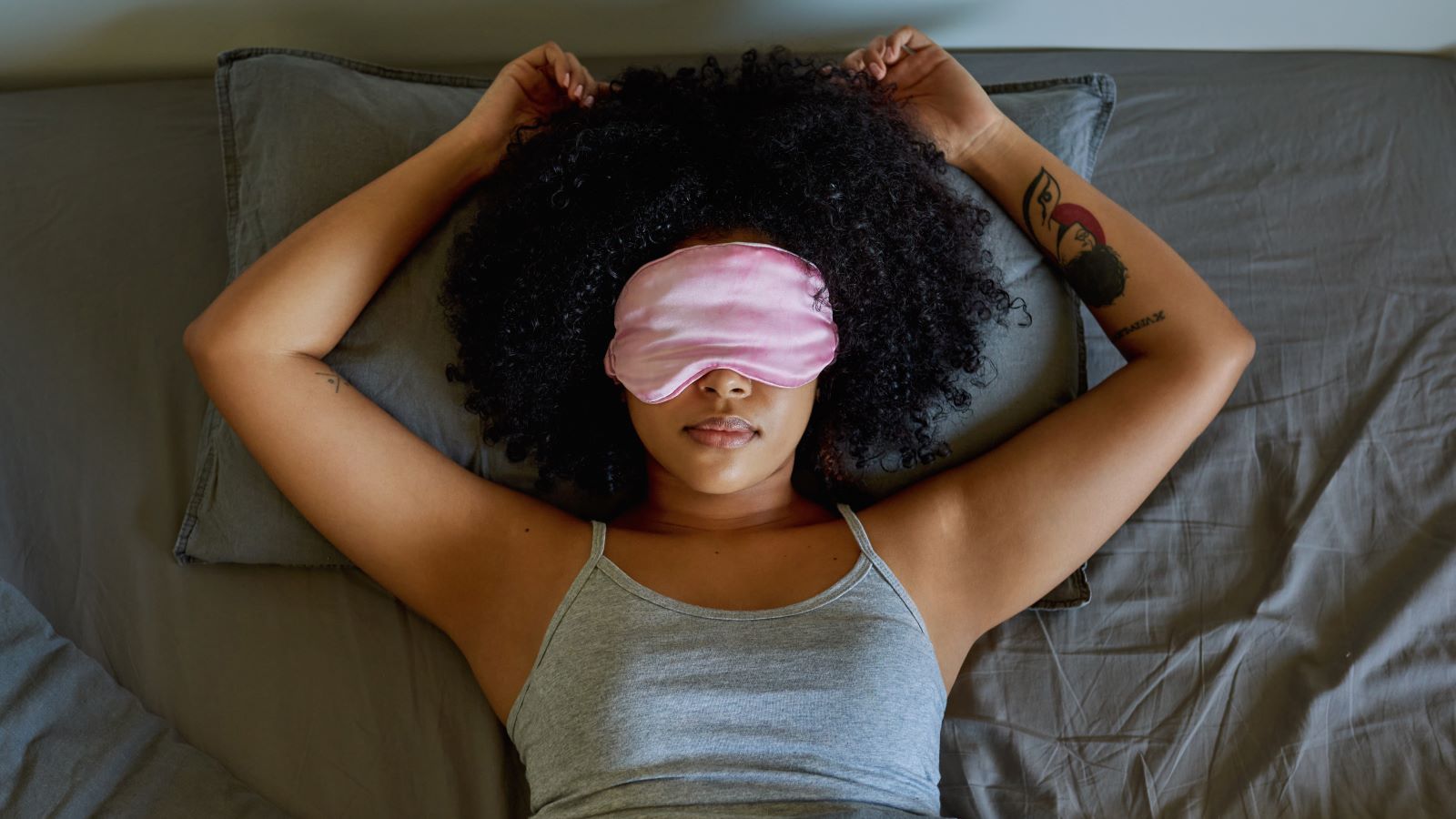
1. Sleep mask
A sleep mask is a small investment that offers a surprisingly big payoff.
“Light is one of the biggest disruptors of sleep quality,” adds Kaplan. “Even small amounts can signal to your brain that it’s time to be awake. A sleep mask is a low-cost fix.”
Your brain produces melatonin in response to darkness. A sleep mask blocks out light that blackout curtains can’t always catch, making it easier to fall asleep and stay asleep.
> Related: What Your Sleeping Position Says About Your Health
2. Earplugs
Noise is one of the most common reasons people wake up in the middle of the night and can’t get back to sleep.
“Even sounds you sleep through can affect your sleep quality,” notes Kaplan. “Earplugs are one of the most affordable ways to take back control of your sleep environment.”
Foam earplugs are widely available for just a few dollars. If you’re a side sleeper, moldable silicone earplugs that sit flush against the ear tend to be more comfortable. Either way, pair them with a sleep mask and you’ve covered two of the three biggest sleep disruptors in one shot.
> Related: Didn’t Sleep Well? Here’s What to Eat the Next Day
3. White noise machine
Not all noise disrupts sleep in the same way. White noise works by masking the sounds that do.
“A white noise machine creates a consistent sound environment that drowns out the unpredictable noises that pull you out of sleep,” says Kaplan. “It’s one of those tools that once you try it, you wonder how you slept without it.”
They’re especially useful for light sleepers or anyone dealing with noisy neighbors, city sounds or a snoring partner.
> Related: Could White, Brown or Pink Noise Help Improve Your Sleep?
4. Blackout curtains
Whether it’s street lights, the early morning sunrise, or car headlights, light always tends to find a way into the bedroom.
“Your brain is incredibly sensitive to light even when you’re asleep,” Kaplan explains. “Blackout curtains are one of the most effective ways to create the kind of darkness your body needs to stay in a deep sleep.”
Most blackout curtains are affordable, easy to install and make an immediate and noticeable difference.
5. Weighted blanket
A weighted blanket does more than keep you warm.
“The gentle pressure of a weighted blanket can activate your body’s relaxation response,” Kaplan continues. “A lot of my patients find it helps them feel calmer and fall asleep faster.”
The added weight provides deep pressure stimulation to reduce anxiety and improve sleep quality. Look for one that’s roughly 10 percent of your body weight for best results.
> Related: Best to Worst: We Ranked Sleep Positions for Your Back and Neck
6. Cooling pillow or pillowcase
Temperature is one of the most overlooked factors when it comes to sleep quality. And your pillow might be part of the problem.
“Your core body temperature naturally drops as you fall asleep,” Kaplan says. “A pillow or pillowcase that traps heat can work against that process and keep you from reaching the deeper stages of sleep.”
Cooling pillows and pillowcases are designed to regulate temperature throughout the night and can make a noticeable difference, especially for hot sleepers.
“Sleep is one of the best things you can do for your health and it doesn’t have to be complicated. A few of the right sleep products and a little consistency can make all the difference,” adds Kaplan.